
Tuberculosis (TB) is an infectious disease that can infect almost any tissue of the body, especially the lungs. It is caused by Mycobacterium tuberculosis.
According to the WHO, there are about 10 million people in the world are sick with TB and in 2021, a total of 1.6 million people died from the infection. Globally, Africa records the second highest prevalence of TB – 23% behind South-East Asia at 45%. In 2020, Nigeria had the highest number of TB cases in Africa – 9.9 million people.
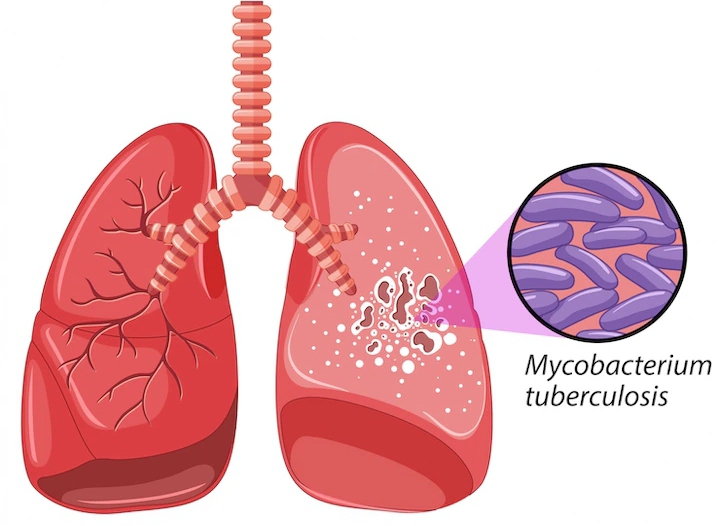
What happens in tuberculosis?
All cases of TB are transmitted between persons via respiratory droplets. For instance, when someone with TB infection coughs, sneezes, or talks, tiny droplets of saliva or mucus are expelled into the air which can be inhaled by another person. Once the infectious particles reach the alveoli (small sac-like structures in the air spaces in the lung), another group of cells called macrophages (immune cells of the body), engulf the TB bacteria. The bacteria are then transmitted to the lymphatic system and bloodstream. Once this happens, there is spread to other body organs.
The bacteria multiplies further in organs that have a rich oxygen supply such as the upper lobes of the lungs, kidneys, bone marrow, and meninges (membrane-like coverings of the brain and spinal cord).
What is latent TB?
This is a state where an individual has the bacteria in his body, but his immune system stops them from spreading. This individual will not manifest any symptom nor is he contagious. The infection is however still alive in his body and can become active one day.
Signs and symptoms of TB
Common signs and symptoms include:
- A cough that lasts more than 3 weeks
- Chest pain
- Coughing of blood
- Feeling tired
- Drenching night sweats
- Chills
- Fever
- Loss of appetite
- Weight loss
How is tuberculosis diagnosed?
Your doctor will take a detailed history of all the symptoms you have. This is followed by a physical examination which would involve checking your lymph nodes for swelling. It would also involve listening to your chest with a stethoscope.
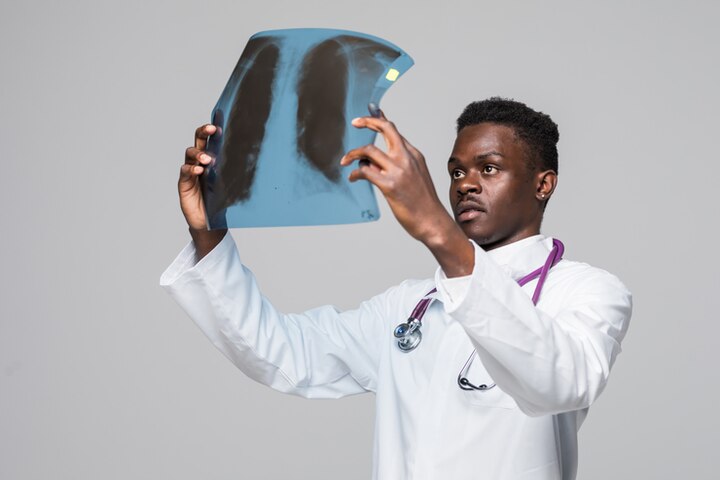
Skin tests are used for screening. Blood tests may be used to confirm or rule out latent or active tuberculosis. These tests use sophisticated technology to measure the body’s immune response to TB infection. Imaging tests which could be a chest X-ray or a CT scan may show white spots in the lungs where the immune systems has walled off the bacteria or changes in the lungs that imply an active infection. Sputum test is also done to confirm TB infection.
Treatment of tuberculosis
With adequate treatment, tuberculosis is almost always curable. Doctors prescribe antibiotics to kill the bacteria that cause it. You may need to take these medications for 6-12 months. The medications you take and how long you’ll have to take them depends on the organs affected and the sensitivity of the bacteria. Sometimes, the antibiotics used to treat the disease don’t work. This type of TB is called drug-resistant TB. If you have this form of the disease, you may need to take stronger medications for longer.
The four main drugs used are ethambutol, isoniazid, pyrazinamide, rifampicin.
A word from HealthFacts to you
Nigeria has the highest burden of TB infection in Africa. It is expedient to bring this disease under control. Once you notice one or more of the previously highlighted symptoms of the infection, visit your doctor immediately for proper treatment.
Till next time, stay informed and stay healthy.
Suggested Reading: Antibiotics Use: Six mistakes you’re making







 is an infectious disease that can infect almost any tissue of the body, especially the lungs.)