Lassa fever is here again! And it’s a nationwide epidemic. In the past five weeks, 318 cases have been recorded across the country, with 70 deaths. If you live in Edo, Ondo, or Bauchi, you had best watch out. This blog post will show you how to keep your guard against this deadly disease.
First, Know Your Foe
What is Lasa Fever?
Lassa fever is caused by a virus in the family ‘Arenaviridae’. Lassa fever quickly causes disease following infection which may last 1 – 4 weeks. Illness is characterized by fever, bleeding from ears or nostrils, pain in the back or abdomen, sometimes shock and death.
How is Lassa Fever Spread?
The carrier and reservoir of Lassa fever is the rat Mastomys nataliensis – or the multimammate rat, so named because of its many breasts. This rat is abundant all over West Africa, particularly in Nigeria, Liberia and Guinea where Lassa fever is endemic (occurs frequently).
This rat is commonly found in homes and fields where food is stored or refuse is dumped. This gives the rat an opportunity to shed the virus onto your food through its droppings or urine.
Also the virus may turn into aerosols that can be spread airborne. You can mistakenly inhale them when you sweep up dried rat urine.
What Does Lassa Fever Infection Look Like?
Following exposure to the virus, after 2 – 21 days, if you are infected, signs and symptoms will begin to show. Though note that 80% of infected people show no symptoms.
Among those who show symptoms, the disease can manifest in a range of disorders from mild to severe.
Many have just fever and sore throat which may resolve with time.
Others progress to more severe disease with: very high fever, easy bleeding from wounds, ears, nose, mouth or rectum, pain in the back or abdomen, deafness, shock, difficulty breathing and so on. And 15% of hospitalized people with severe Lassa fever will die.
How to Treat Lassa Fever
If you have any of these symptoms and you are in an area where Lassa fever is raging or you have come in contact with someone who has Lassa fever, you should come to the hospital and tell the doctor.
If the doctor thinks you are at significant risk, they may take a blood sample for testing and may admit you in an isolated care centre (i.e., quarantine). This is not stigmatization but a means to protect others (including your loved ones) from the virus spreading.
The antiviral drug Ribavirin has been found to be helpful in curing lassa fever.The doctors will also address other symptoms like pain and fever with supportive care.
How to Prevent Lassa Fever
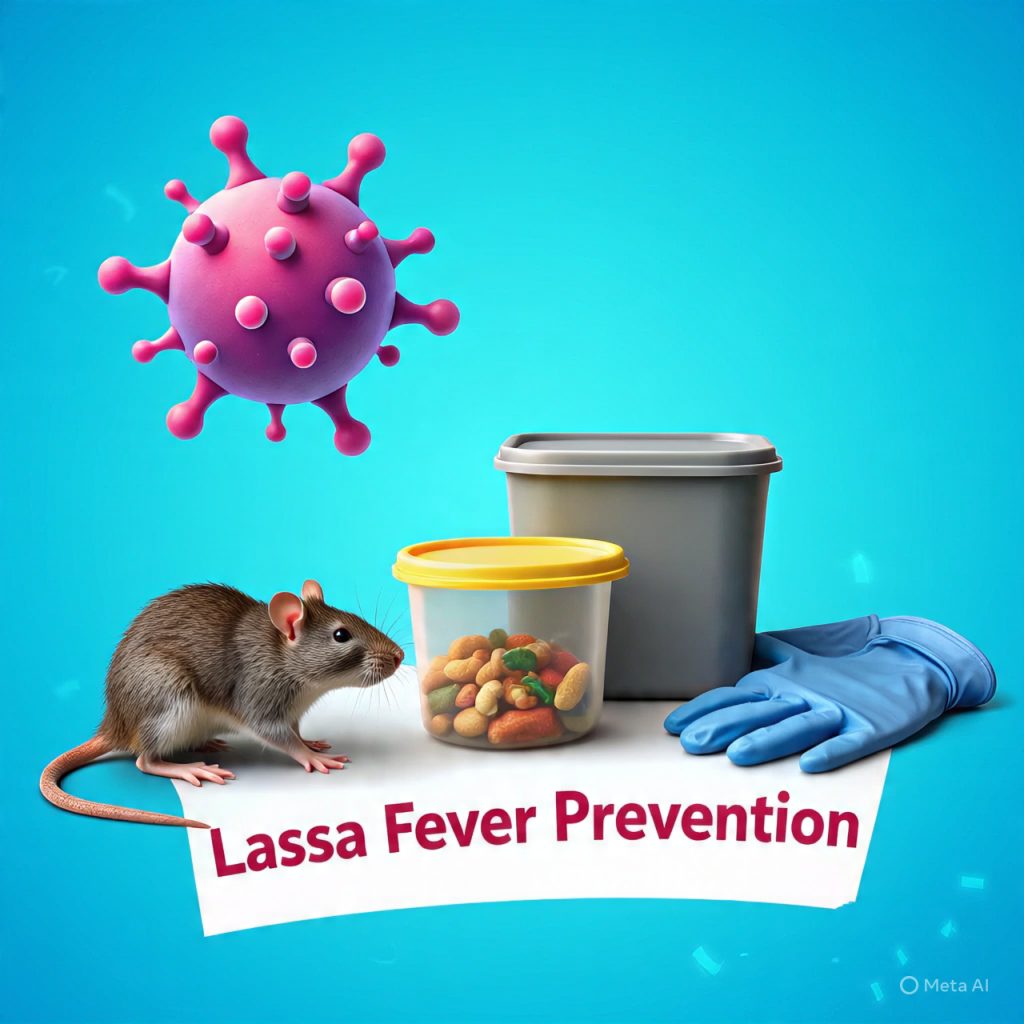
- Keep food in rat-proof containers.
- Avoid eating bushrats or other rodents.
- Clear bushes around your home.
- Avoid open dumping of refuse; burn it or let local authorities process it far from living areas.
- Trap and remove rodents around your home.
- Avoid contact with bodily fluids of people showing fever or abnormal bleeding.
- Use personal protective equipment—masks, gloves, and face shields—when caring for suspected or confirmed cases.
If this outbreak passes, Lassa will still return again. Either way, will you be ready? Arm yourself with knowledge and fight to live.
Read about past outbreaks on our blog.