
Most people have experienced a sensation of ringing in the ears, in the absence of an external source, at least once. This phenomenon is referred to as ‘ringing in the ears’ or ‘phantom sounds’, medically known as tinnitus.

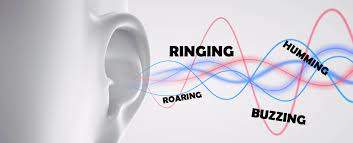
Although the sensation is called ‘ringing in the ears’, tinnitus is not limited to a ringing sound. There may be sounds of blowing, roaring, buzzing, hissing, humming, whistling, or sizzling in the ears, with no external source. The sound may be soft or loud; in one or both ears; and may happen constantly or intermittently (on and off). Regardless of its features, tinnitus is a symptom; it is not a disease.
Tinnitus can be frustrating and may interfere with the sufferer’s daily activities, especially when it is constant, loud or happens too frequently. This frustration can lead to stress, anxiety, and depression.
This article explores tinnitus. We discuss the types, diagnosis, and treatment. You will also learn tips for preventing a recurrence. Kindly read along!
What Are The Types of Tinnitus?
Tinnitus may be objective or subjective.
Subjective tinnitus is the rampant type; only the sufferer hears the sounds.
In the objective type, there is an external source of sound to determine this type of tinnitus. Both the examiner and sufferer will hear this sound. However, only the affected individual will hear the ringing in their ears. Your examining doctor will only hear the sound when they move close to you and place a stethoscope near your ear, neck, or head region.
Objective tinnitus is an extremely rare condition and is usually a sign of vascular problems.
What Causes Ringing in The Ears?
If you experience ringing in your ears, it may be due to one or more of the following;
- Presbycusis: This hearing loss occurs with age; it is the most common cause of tinnitus. This makes tinnitus more common in the elderly.
- Exposure to loud noise for a long period
- Trauma to the ear, head, or neck
- Wax impaction or foreign body in the ear
- Ear infections
- Certain medications like aspirin, NSAIDs like ibuprofen, chemotherapy drugs like vincristine
- Excessive alcohol or caffeine intake
- Temporomandibular joint (TMJ) -joint of the jaw- problems
- Meniere’s disease
- Brain tumours or aneurysms close around the neck or head
- Uncontrolled high blood pressure
- In many cases, tinnitus may be idiopathic (having no cause).
How is Tinnitus Diagnosed?
The diagnosis begins with history taking (where your doctor will ask many questions about your condition and symptoms), physical examination, and tests. The tests often involve a hearing test (audiogram), auditory brain stem response (ABR), and imaging tests like head CT or MRI to rule out brain tumours or aneurysms.
Is There Treatment for Ringing in The Ears?
Many cases of tinnitus do not require any form of treatment since they are mild and occur once in a while. In some cases, the ‘ringing in the ear’ spontaneously ceases permanently.
Presently, there is no exact cure; however, treating the underlying cause may provide a permanent solution. Generally, an ENT doctor will help with the management of tinnitus.
Aims of treating tinnitus include:
- Eradicating the cause and stopping it permanently
- Reducing its severity and frequency
- Improving the quality of life of the sufferers.
How Can I Prevent Ringing in My Ears?

The easiest way to prevent tinnitus is by protecting your ears from damage. This can be achieved by shielding your ears from loud noises using earplugs or earmuffs. Also, pay attention to your body; if tinnitus develops while you are taking a medication, stop the medication and discuss other options with your healthcare provider.
Suggested: Ever woken up with a headache? Read this.
A Word From HealthFacts
Ear damage can result in tinnitus, especially if you listen to loud noises through your earphones or earplugs often. Preventing ringing in your ears is ideal. Nevertheless, if you do experience symptoms of tinnitus, your doctor can diagnose the underling condition to treat it.
If you experience frequent ringing in your ears, do not wait for it to subside. Visit your doctor for a diagnosis.
Till next time!
You can subscribe to our newsletter for more tips like these.