Introduction
In a country with a life expectancy of 55 years, becoming elderly is a sort of privilege.
But many dread ageing, especially the diseases, slowness and decay they perceive to accompany that process. This post does not promise that you will have none of that if you just follow these tips. We, however, have good reason to believe that these simple practices will reduce the risk of those unpleasant concomitants of ageing. Basically, we want to teach you how to age well.
What Does “Aging Well” Mean?
What does ageing well look like? Is it to have no wrinkles, back pain or a regular eight hours of sleep?
Not really. Ageing will come with some discomfort.
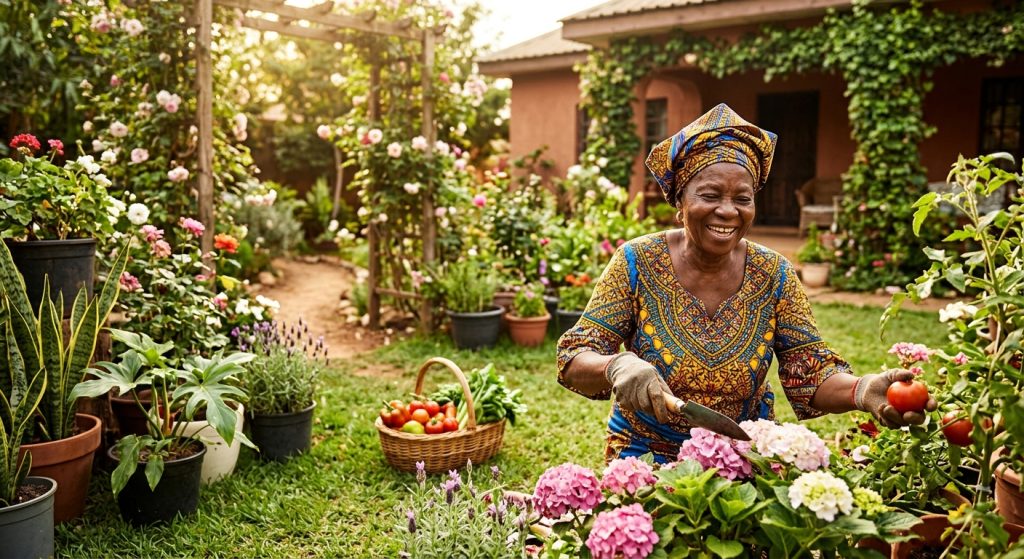
But to age healthily is to age while remaining independent, with limited deterioration from chronic diseases. And this is while you retain mental wellbeing and social connectedness.
Here are five habits you can adopt to age healthily:
1. Eat for Your Future Self
You are what you eat.
Eating healthy is not hard. You don’t need a fancy diet, just a balanced one, with no excesses. Here’s a simple diet framework modified from the American government called “one plate”.
You should have a colourful plate, beautified by fruits and vegetables with their greens, yellows, reds, purples and all their various colours. These should make up half of your plate.
A quarter of your plate should be made up of healthy grains and tubers like rice, whole wheat, millet, corn, cassava or potatoes.
The last quarter should comprise proteins like fish, meat, eggs, nuts and beans.
Take enough water or a milk drink with each meal.
Reduce unhealthy fats, salt and added sugars.
2. Keep Your Body Moving
Yes, even the elderly should still exercise, unless your doctor advises against it.
Exercise helps you preserve muscle and bone strength. You also maintain good heart health through exercise. It likewise trains you in balance and helps you avoid falls.
You should have 150 minutes per week of moderate-intensity physical activity on most days of the week. This should fall into three groups of exercise:
Aerobic exercise: Brisk walking, jogging, swimming and cycling. These are all aerobic and build heart health.
Strength training: Squatting, lunges and weight lifting. These all strengthen your muscles and should be done at least twice a week. You can either do them in the comfort of your home or you can register in a gym.
Balance exercises: Tai chi, Pilates and yoga are simple exercises in this group.
3. Protect Your Mind
You should keep your mind active too. Do this by continuing to read, study and do hobbies.
Isolation is a big problem in old age. Don’t fall into this trap. Stay connected with friends and family, physically or virtually. Engage alongside your neighbours and serve your community.
Try to get enough sleep. It keeps your mind alert and protects you from dementia. Though older people do sleep less naturally, if you are feeling under-rested, please discuss this with your physician.
4. Prevent Problems Before They Start
Be regular with routine check-ups. Among these is cancer screening: mammograms and Pap smears for women, PSA for men and colonoscopies for both, as well as chest CT scans in heavy smokers.
Know your numbers – your blood pressure, blood sugar, weight, waist circumference and BMI.
Take prescribed medications correctly and refill them on time.
Avoid smoking and other harmful substances.
Address vision, hearing, dental and mobility problems early.
5. Keep a Purpose
Retirement should not consign you to the idle bed. Remaining productive or purpose-driven will keep you happier in old age. Faith, family, community, activism, volunteering – these are all great motives to keep you moving and fighting.
Conclusion
It is often said: “It’s not how long you live, but how well.” Take up the habits we have shown you so you can learn to age well.