
A migraine is a primary headache condition that is accompanied by a throbbing, painful pain usually on one side of the head. Migraine is not just a bad headache, it is a neurological condition with intense neurological symptoms. In rare cases, migraine attacks can affect both sides of the head.

This type of headache is usually triggered by stress, hormones, and sometimes the environment. It is the third most prevalent illness in the world. It is recurrent and can either be moderate or severe. In terms of duration, migraine attacks usually last between 4 to 72 hours.
Globally, approximately 12% of people are affected by migraine and about 75% of sufferers of this condition are women. A chronic migraine is one of the most common causes of disability as attacks can affect a person’s ability to perform normal everyday tasks. It is also prevalent in people suffering from asthma, depression, anxiety, and neurologic disorders.
What are the causes of migraine?
Causes of this type of headache may include:
- Certain activity in the nerves and blood vessels of the brain.
- Family history – Children with either one or both parents are at higher risk of having migraine.
- Stress
- Lack of food or sleep
- Hormonal changes in women, especially during menstruation
- Anxiety
- Exposure to light
- Severe heat
- Alcohol use
- Traveling
- Unusual smells
- Certain foods
- Use of certain medications, such as oral contraceptives
- Smoking
- Intense physical activity
- Loud sounds
What are the signs and symptoms of migraine?
- Nausea
- Vomiting
- Numbness or tingling in the face, legs, or arms
- Sensitivity to light, touch, smell, or sound
- Blurred vision
- Pain on one side of the head
- Dizziness
Children with this type of headache might also have any of the following symptoms:
- Regular and forceful vomiting
- Involuntary eye movements
- Behavioural changes
How is migraine diagnosed?
Migraine is usually diagnosed by taking a detailed medical history which involves listening to your symptoms as well as family history of the condition. Physical examination is also carried out to rule out other potential causes of headache.
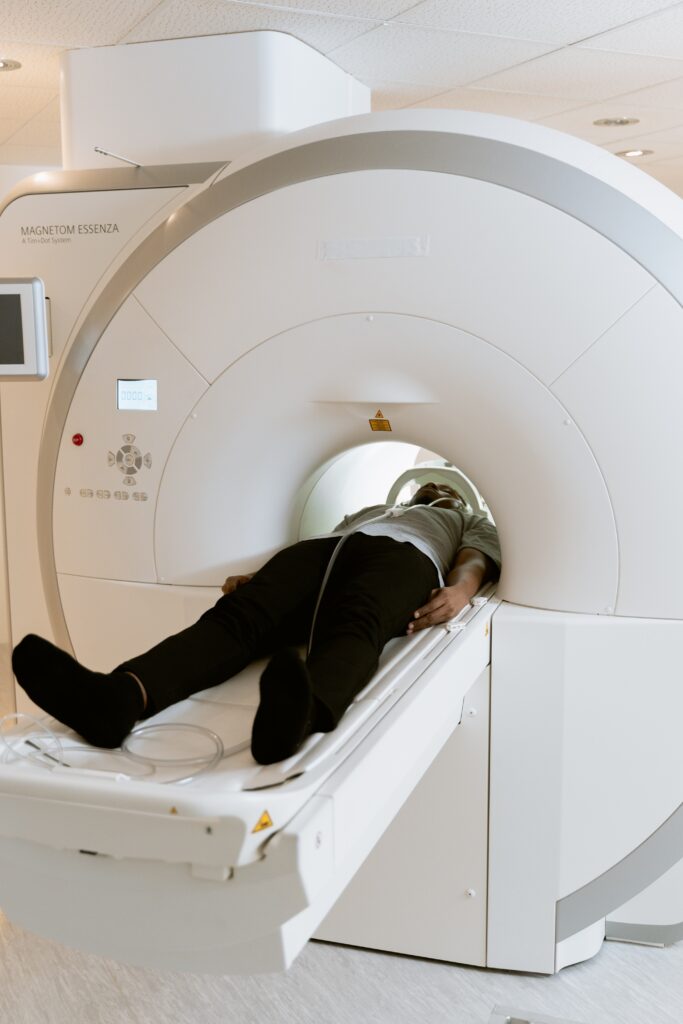
Imaging scans such as a CT scan or MRI can be used to check a brain tumour, abnormal brain structures or possible bleeding into the brain.
How is migraine treated?
Migraine attacks can’t be cured. However, treatments can help to manage them so that they appear less often and with less intensity. Many treatment plans are available. It is essential that your doctor finds you the one or combinations that is a good fit for you.
Knowing how to prevent them can often be the first step in managing migraines. Furthermore, the treatment plan may depend on your age, the type of migraine, frequency of attacks, severity of attacks, duration, symptoms, and other health conditions present.
To treat migraine, one or more of the following can be combined:
- Medications taken every day to prevent migraines. The most commonly prescribed group of drugs are called “triptans”
- Medication(s) taken at the onset of the headache to prevent it from becoming worse
- Medications to help with nausea and vomiting
- Over-the-counter pain medications such as aspirin, ibuprofen, and paracetamol
- Stress management
- Counselling
- Hormonal therapy if migraine is related to menstruation
- Therapy biofeedback techniques to help reduce triggers such as stress.
A word from Healthfacts to you
Migraine is not just a headache. It is a debilitating neurological condition that, sadly, has no cure. However, it is very possible to manage it and still live normal lives. To do this, adhere strictly to your doctor’s instructions in order to find the treatment plan that works for you.
Till next time, stay informed and stay healthy!
You may want to take this quiz – How Well Do You Know Headaches?