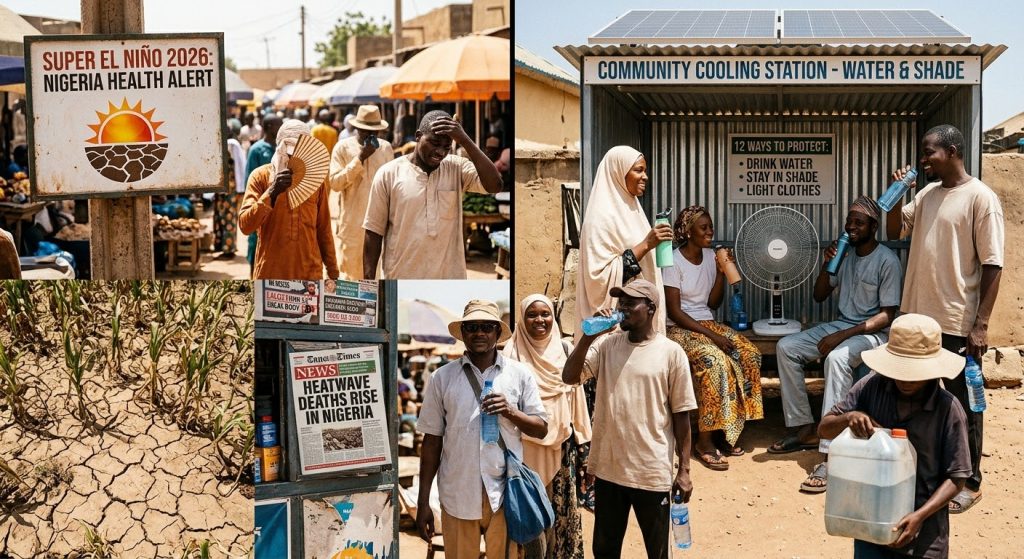
El Niño has been in the news a lot lately. If you’ve never heard of it, or you don’t know what to do about what you have heard, don’t worry. This article is a one-stop shop for understanding El Niño and the healthy choices it demands.
What Is El Niño and What Is a Super El Niño?
El Niño is a natural climate phenomenon that occurs periodically and involves an unusual warming of the surface waters of the central and eastern Pacific Ocean. This affects the climate of different continents, sometimes bringing more rain or warmth to particular regions.
What the world is raising alarm about is what they call a Super El Niño. This describes an exceptionally strong El Niño event, characterised by unusually high Pacific Ocean temperatures. The developing 2026 event is expected to be one of the strongest on record.
This means that the climate effects of this year’s El Niño could be particularly severe in diverse countries.
Excessive heat, rainfall disturbances, floods and droughts are expected in different parts of the world, with a resulting increase in heat-related deaths and food insecurity.
According to projections by researchers at the University of Chicago’s Climate Impact Lab, this El Niño could cause 451,000 excess deaths worldwide between June 2026 and February 2027. Nigeria is estimated to record the highest number of these deaths, with approximately 31,400 additional fatalities projected.
Yes, even though Nigeria is nowhere near the Pacific Ocean, the global climate disturbance could be particularly deadly in the Sahel region. This includes a good part of Northern Nigeria, as well as Niger, Chad and Sudan.
4 Major Health Risks of Super El Niño in Nigeria
1. Heat-Related Illnesses: Heat Exhaustion and Heat Stroke
Excessive heat can cause heat-related illnesses, including heat exhaustion and heat stroke. These conditions can kill vulnerable people, especially when the means of staying cool are inadequate.
2. Storms and Flooding
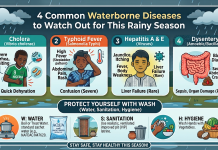
Though this Super El Niño is generally associated with extreme heat in the popular imagination, it can likewise cause changes in rainfall patterns, including erratic and heavy rainstorms in some regions. Sometimes, flooding may follow.
3. Drought and Famine
Generally, we should expect less rain in some vulnerable regions. Water-dependent crops will suffer and may go out of season earlier than usual. This will drive the prices of food up and make food scarce.
Hence, some people who escaped the heat may succumb to hunger.
4. Dehydration
Excessive heat increases the amount of water lost through sweating. When the body loses more water than it takes in, dehydration may occur.
This can cause fatigue, dizziness, headaches and reduced urine output. Severe dehydration can become life-threatening.
Who Is Most at Risk of El Niño-Related Health Problems?
Those at risk are:
- The very young (0–4 years).
- The very old (over 65 years).
- Those with chronic diseases like chronic kidney disease, heart failure, diabetes and others.
- Outdoor workers like hawkers, labourers and farmers.
- The homeless.
12 Ways to Protect Yourself from Super El Niño in Nigeria
To reduce your risk:
1. Stay Hydrated
You should drink water regularly throughout the day. WHO recommends at least 2–3 litres of water daily during hot weather.
Always take water everywhere with you.
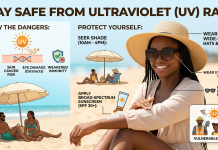
2. Minimise Outdoor Activity Between 11 am and 4 pm
Avoid unnecessary outdoor activities between 11 am and 4 pm when the sun is hottest.
3. Get Cooling Equipment
Get a solar or a rechargeable fan, and if you can afford it, install air conditioning.
4. Wear Light, Reflective Clothing
Wear light-coloured, loose-fitting clothing to reduce heat absorption and allow better ventilation.
5. Don’t Overdress Babies
Don’t overdress babies. A crying baby may be hot too. A fan will not kill them.
6. Check on the Vulnerable Often
Check on older people, young children and those with chronic illnesses often. They may be particularly vulnerable to heat-related illnesses.
7. Buy Food in Bulk
Where possible, buy food in bulk ahead of potential food shortages and price increases. Ensure that food is stored properly to prevent spoilage.
8. Grow Drought-Resistant Crops
If you farm, grow drought-resistant foods like fonio and millet.
9. Establish Community Cooling Booths
Government, NGOs and benefactors can set up cooling booths where there is shade and cool water for outdoor workers or less privileged persons like the homeless.
10. Adjust Outdoor Working Hours
Outdoor workers should try to concentrate most of their work in the early mornings and evenings rather than the hot afternoon.
11. Stay in Cool, Shaded Places
Where possible, stay indoors during periods of extreme heat. If you must go outside, look for shaded places to rest. You can also take cool showers or baths to reduce your body temperature.
12. Keep an Eye Out for Danger Signs
Keep an eye out for danger signs like feeling fatigued, dizzy, fainting or having an unusually high body temperature.
Confusion, seizures and loss of consciousness are particularly alarming signs of heat stroke.
If someone develops symptoms of heat exhaustion, move them to a cool place, loosen excess clothing and help them cool down.
However, if you suspect heat stroke, rush the affected person to the hospital immediately. It is a medical emergency.