Nigeria Has Minorities Too
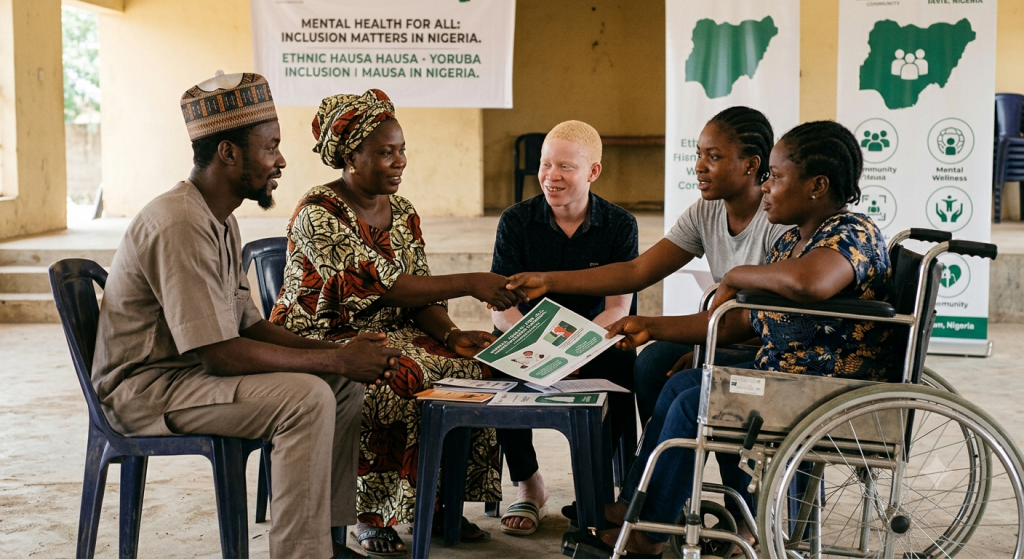
Though this term is not commonly used in Nigeria, the label “minorities” aptly describes many groups with which Nigerians are already familiar. We see some of them in the news all the time, such as ethnic minorities and internally displaced persons (IDPs). Many other minority groups are almost entirely forgotten, however, such as people living with albinism and people living with disabilities.
Ironically, the defining feature of a minority group is not necessarily that its members are fewer in number. Rather, it is that they possess less power in society and, as a result, often enjoy fewer opportunities and privileges. Resources do not always reach them, and they may face discrimination simply because of their identity or circumstances.
Some groups we might reasonably classify as minorities or vulnerable populations in Nigeria include:
- Ethnic minority groups
- Religious minorities in particular communities
- People living with disabilities
- People with albinism
- Internally displaced persons (IDPs)
- Refugees and migrants
- Widows and orphans
- People living in extreme poverty
- Other socially excluded or vulnerable populations
Why Minority Status Can Affect Mental Health
Minority status can have profound effects on mental health for several reasons.
Discrimination, prejudice, social exclusion, and bullying: Have you heard people say that one Nigerian tribe is made up of cannibals or that another is naturally bloodthirsty? That is what we call prejudice—forming negative opinions about a group without evidence. When those prejudices lead you to avoid, mistreat, or deny services to people from that group, that becomes discrimination. Such treatment deprives people of the sense of belonging they should enjoy as fellow Nigerians. The resulting isolation can contribute to depression, anxiety, and low self-esteem. Beyond that, acts of discrimination themselves can directly harm people, both physically and psychologically.
Poverty and unemployment: Poverty is common among many minority groups. Discrimination, limited educational opportunities, lack of employable skills, and systemic barriers often keep them unemployed or underemployed, thereby perpetuating poverty. This environment places enormous psychological stress on individuals and families. Poverty is a risk factor for many mental health disorders and is also associated with an increased risk of suicide.
Violence, displacement, and insecurity: People with albinism being targeted because of harmful superstitions, internally displaced persons experiencing sexual violence, and ethnic pogroms are all examples of violence directed against minority groups. Such events are more common than many Nigerians realize. They increase the risk of post-traumatic stress disorder (PTSD), depression, anxiety disorders, substance misuse, and many other mental health conditions.
Limited access to quality healthcare: Many affected minorities have poor access to mental healthcare. Mental health professionals are scarce in many parts of Nigeria, and even where services exist, they may be unaffordable or inaccessible because of distance, disability, language, or stigma.
Addressing the mental health of minorities requires action from three key groups: the government, non-minorities, and the minorities themselves.
What the Government Can Do
The government has the greatest responsibility because it has the power to shape policies and allocate resources.
It should enforce laws that protect minority groups from discrimination and ensure that vulnerable populations are adequately represented in public life where appropriate.
Access to affordable mental healthcare should also be expanded across the country. One way to achieve this is by training all cadres of healthcare workers to provide basic mental health services while strengthening referral systems. Telemedicine could also help connect scarce mental health specialists with underserved communities.
Schools and workplaces should become more inclusive. Ramps and other disability-friendly facilities should be available in public spaces. Teachers, employers, and human resource managers should be trained to recognize and address discrimination through clear inclusion policies.
Finally, the government should expand social protection and economic opportunities. Minority groups should be prioritized in skills acquisition programmes, employment initiatives, and social safety nets. Reducing poverty will also reduce one of the major drivers of poor mental health.
What You Can Do If You’re Not Part of a Minority
“But I’m not the government,” you protest. True. But ordinary Nigerians also have an important role to play.
Treat everyone with dignity and respect. Speak up when you witness discrimination or bullying. Avoid stereotypes and hurtful jokes, even when others consider them harmless. Make a conscious effort to include marginalized people in your school, workplace, place of worship, and community. Listen before making assumptions about people’s experiences. Finally, support organizations that work to improve the lives of vulnerable populations whenever you have the opportunity.
What You Can Do If You Belong to a Minority Group
What if you belong to one of these minority groups? While the challenges you face are real, you should not see yourself merely as a victim but as a person with agency. For the sake of your wellbeing and your future:
- Remember that your experiences and feelings are valid.
- Build supportive relationships with trusted family members, friends, faith communities, or support groups.
- Seek professional help if stress, anxiety, or sadness becomes overwhelming.
- Learn your rights and speak up when it is safe to do so.
- Practice healthy coping habits such as regular exercise, mindful breathing, prayer or meditation according to your beliefs, adequate sleep, and avoiding harmful substances.
Conclusion
Mental health is a human right, not a privilege reserved for the majority. A Nigeria where minorities feel safe, respected, and included is one where everyone is more likely to flourish. Protecting the mental health of vulnerable groups strengthens families, communities, and the nation as a whole. When we make room for those at the margins, we build a healthier and more compassionate Nigeria for everyone.