Athlete’s foot, medically known as tinea pedis, is a fungal skin infection of the feet. Contrary to its name, the infection does not affect only athletes; it can affect anyone. However, it is more common among athletes because they often have damp feet.
Studies show that about 70% of people will have the infection at least once in their lifetime. Fortunately, Athlete’s foot is a mild infection that can be easily treated. However, it tends to re-occur.
This article explores the signs and symptoms of athlete’s foot. We also discuss the causes, risk factors, and treatment of the condition.
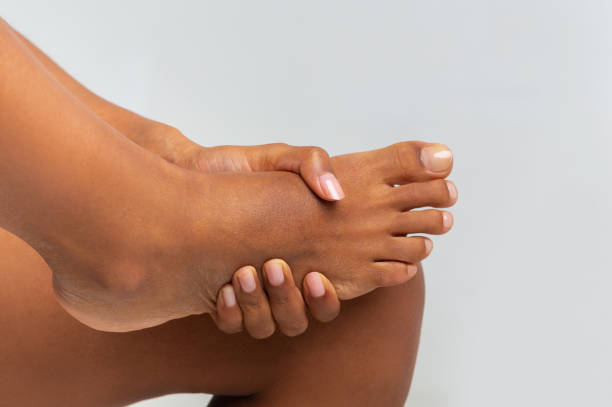
What Causes Athlete’s Foot?
A group of mould-like fungi called dermatophytes is the primary cause of athlete’s foot. These fungi normally live on the skin, hair, and nails. However, they have limited growth and do not cause infection under normal circumstances.
When the feet become warm and moist, the dermatophytes begin to grow out of control, leading to athlete’s foot.
What Are The Risk Factors For This Condition?
You are at risk of developing athlete’s foot in one or more of the following conditions;
- Wearing thick, tight, and closed-toe shoes for a long period
- Wearing damp socks and shoes
- Sharing socks, shoes, or towels with an infected person
- Wearing plastic shoes with little ventilation
- Men are more likely than women to develop athlete’s foot
- Having a weakened immune system from conditions such as diabetes or HIV/AIDS
- Visiting public places barefoot, especially locker rooms, showers, and swimming pools
- Having naturally sweaty feet
What Are The Symptoms Of The Infection?

Athlete’s foot may affect a foot or both feet at the same time. The area in between the toes (especially between the 4th and 5th toes), the toenails, the soles, and sides of the feet are common sites of the infection.
Typical symptoms include:
- Moist, peeling skin between the toes
- Itching, stinging or burning sensation between the toes or in the affected area
- White, yellow, or greenish discolouration of the affected area
- Thickened skin in the affected area
- Painful fissures
- Excessive dryness of the skin on the bottom or sides of the feet
- Disfigured toe nails (when affected)
- Unpleasant smell from the feet.
Is Athlete’s Foot Contagious?
Yes, athlete’s foot is contagious. It can spread by direct contact with the feet of an infected person or by indirect contact e.g., sharing shoes, towels, mats or socks with a person with the disease.
Suggested: 5 simple ways to keep your gut healthy
How Is Athlete’s Foot Diagnosed?
Your doctor will diagnose the infection by asking about your medical history and examining your foot. Sometimes, your doctor may collect skin scrapings and fluid from the affected area for microscopy and culture to confirm the diagnosis.
How Is Athlete’s Foot Treated?
Over-the-counter antifungal medications like clotrimazole and ketoconazole are used to treat the infection. The medication can be in the form of creams, powder, sprays, or ointments. In severe infections, your doctor may prescribe oral antifungal medications like griseofulvin and terbinafine.
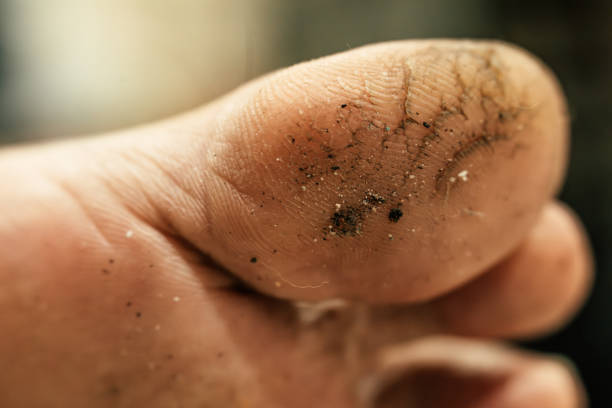
Sometimes, the treatment may include superimposing a secondary bacterial infection on the primary infection. In such cases, your doctor may prescribe antibacterial medications (e.g. amoxicillin).
Besides medications, some steps can be taken at home to improve symptoms, including:
- Wash your feet often with soap and water and dry them completely afterwards.
- Soak the feet in salt water, diluted vinegar, or tea tree oil to clear up blisters.
- Use a dusting powder to keep the affected area dry.
- Keep the toes apart using a cotton or foam wedge.
How To Prevent Athlete’s Foot
The following steps can be taken to prevent athlete’s foot:
- Keep your feet dry, especially between your toes.
- Go barefoot to let your feet dry as much as possible when you are at home.
- Make sure your feet are dry before putting on socks or covered-toe shoes.
- Change your socks regularly, especially if the feet get sweaty.
- If you have very sweaty feet, use a powder on the feet every day to help reduce sweating.
- Try not to wear the same pair of shoes every day, alternating your shoes will give them enough time to air-dry.
- Remove shoes as soon as exercise or sports has ended.
- Wear waterproof sandals or shower shoes in pools, fitness centres, and other public areas.
- As much as possible, avoid sharing footwear
A Word From HealthFacts To You
As we have established, athlete’s foot can affect anyone. Not just athletes. Unfortunately, this infection is contagious and can become severe if left untreated. You should aim to keep your feet dry, use a powder to reduce sweaty feet, and avoid sharing footwear. However, if the infection persists, seek medical help. Your doctor can assist you with the proper treatment for your condition.
You can subscribe to our newsletter for more information.
Till next time, stay healthy.