Scleroderma literally means “hard skin,” but the disease can affect much more than the skin.
Though uncommon, early recognition can prevent serious complications.
1. Scleroderma Is an Autoimmune Disease
In autoimmune diseases, the immune system mistakenly attacks the body’s own tissues. Type 1 diabetes mellitus and some thyroid disorders are examples of autoimmune diseases.
In scleroderma the attacked body tissues respond by excessive collagen production, causing skin thickening and scarring.
Note that scleroderma is not contagious. Nor is it spiritual.
2. It Can Affect More Than the Skin
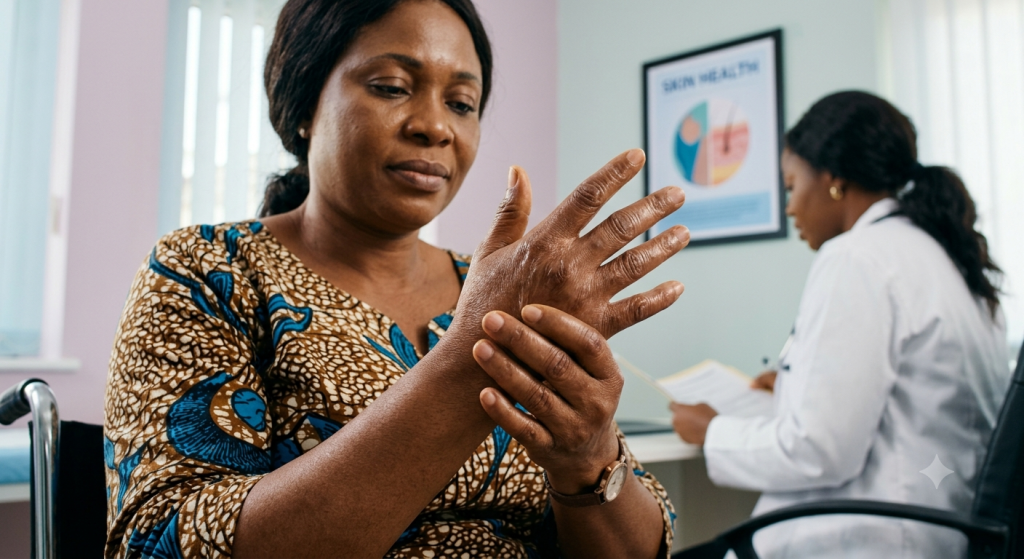
It often starts from the skin, especially the fingers and face, appearing with tight and shiny skin. Sometimes in cold weather, Raynaud’s phenomenon may appear (hère, the fingers turn white or blue in cold weather). This is often an early sign.
Scleroderma’s effects can spread beyond the skin to affect the internal organs like the lungs, heart, kidneys, and digestive tract. This adequately reflects its other name – systemic sclerosis.
3. Women Are Affected Much More Often
Women are affected about four to nine times more often than men. Even though we don’t know why this is so, we do know that autoimmune diseases in general are commercial in women.
Scleroderma usually develops between 30 and 50 years of age. If it appears at a younger age, that may predict worse outcomes
The exact cause remains unknown, but genetic and environmental factors likely contribute.
4. There Is No Cure, But Treatment Helps
No treatment can completely reverse the disease. Medications can reduce immune activity, improve blood flow, and manage organ complications. Because of the joint contractures associated with tightening skin physiotherapy is key. Regular clinic attendance is necessary so your doctor can monitor the progress of the disease and detect complications on time.
5. Early Diagnosis Can Save Organs
If you notice you have persistent Raynaud’s phenomenon, tightening skin, swollen fingers, or unexplained heartburn, do not ignore it! Worrisome symptoms like these should be referred to a rheumatologist early.
Conclusion
Scleroderma is much more than a skin disease. Recognizing the early warning signs and seeking specialist care promptly can help protect vital organs and improve quality of life.