Imagine waiting months to meet your baby, only to notice at birth that there is a gap in the upper lip. Your heart sinks. Questions race through your mind. Did I do something wrong? Could this have been prevented? Will my baby ever look or feed normally?
You’re not alone. Every year, thousands of babies around the world are born with a cleft lip. While the condition can be distressing at first, it is eminently treatable. Also by taking a few steps, it is even somewhat preventable.
What Is a Cleft Lip?
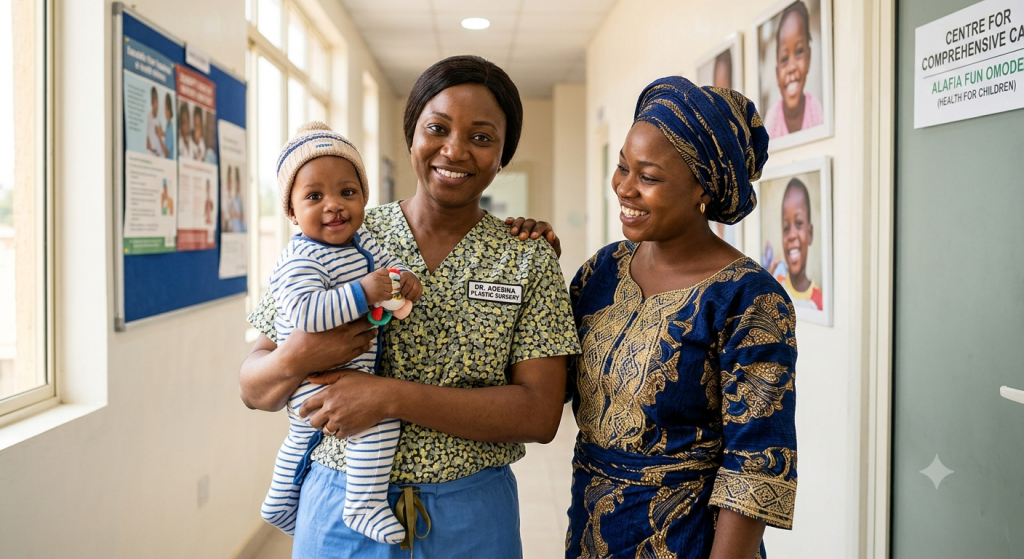
A cleft lip is a birth defect in which the upper lip does not completely join together while the baby is developing in the womb. It may occur on one side or both sides of the lip and may occur with or without a cleft palate (i.e., a gap in the roof of the mouth).
The good news is that it is treatable, and most children grow up to eat, speak, and smile confidently after appropriate care.
What Causes a Cleft Lip?
In many babies, there is no single identifiable cause.
Several factors may increase the risk, including:
- A family history of cleft lip or cleft palate.
- Poor maternal nutrition, especially inadequate folic acid.
- Smoking or alcohol use during pregnancy.
- Certain medications taken during early pregnancy.
- Poorly controlled diabetes or obesity before pregnancy.
Question: Can stress, crying, or lifting heavy objects during pregnancy cause a cleft lip?
Answer: No. There is no evidence that ordinary daily activities or emotional stress directly cause a cleft lip.
How Does Cleft Lip Affect Your Baby?
Beyond appearance, cleft lip can affect most natural functions of the mouth leading to:
- Difficulty breastfeeding
- Speech delay
- Numerous respiratory and ear infections
- Jaw and dental problems
- Emotional problems in life if left untreated
How Is Cleft Lip Treated?
Treatment usually involves surgery during infancy, followed by care from a multidisciplinary team that may include plastic surgeons, paediatricians, dentists, speech therapists, and nutrition specialists.
Early treatment greatly improves feeding, speech, appearance, and quality of life.
Can Cleft Lip Be Prevented?
Although not every case can be prevented, the risk may be reduced by:
- Taking folic acid before conception and during early pregnancy.
- Attending antenatal care early.
- Avoiding smoking, alcohol, and recreational drugs.
- Taking medicines only on medical advice during pregnancy.
- Managing chronic illnesses such as diabetes before conception.
When Should Parents Seek Medical Care?
A baby born with a cleft lip should be assessed as soon as possible after birth. Early referral allows healthcare professionals to provide feeding support, plan surgery, and screen for associated conditions if present.
Conclusion
A cleft lip is not the result of a parent’s mistake, and it is far from the end of a child’s story. With early medical care, family support, and timely surgery, most children with a cleft lip can go on to live healthy, confident, and fulfilling lives