
On the 9th of December, 2023, there was a major breakthrough in global health. The Food and Drug Administration (FDA) approved a powerful sickle cell disease therapy, an inherited disease of the blood known to affect over 20 million people globally. Casgevy is a novel sickle cell disease therapy developed by Vertex Pharmaceuticals and CRISPR Therapeutics.
What do we know about sickle cell disease?
Sickle cell disease is a group of inherited blood disorders in which the body produces abnormally-shaped red blood cells that look like crescent moons or sickles. Sickle cells have a shorter-than-normal life span and their premature destruction leads to shortage of red blood cells, a condition known as anaemia.
Unlike normal red cells which are pliant, sickle cells are rigid and sticky. They may clump together and stick to the walls of blood vessels, causing obstruction in small vessels and subsequent reduced oxygen supply to various organs. This happens repeatedly and manifests as periodic episodes of pain, called crisis. Crises can last hours to days, and may result in damage to organs like the eyes, kidneys, lungs, bones, and brain.
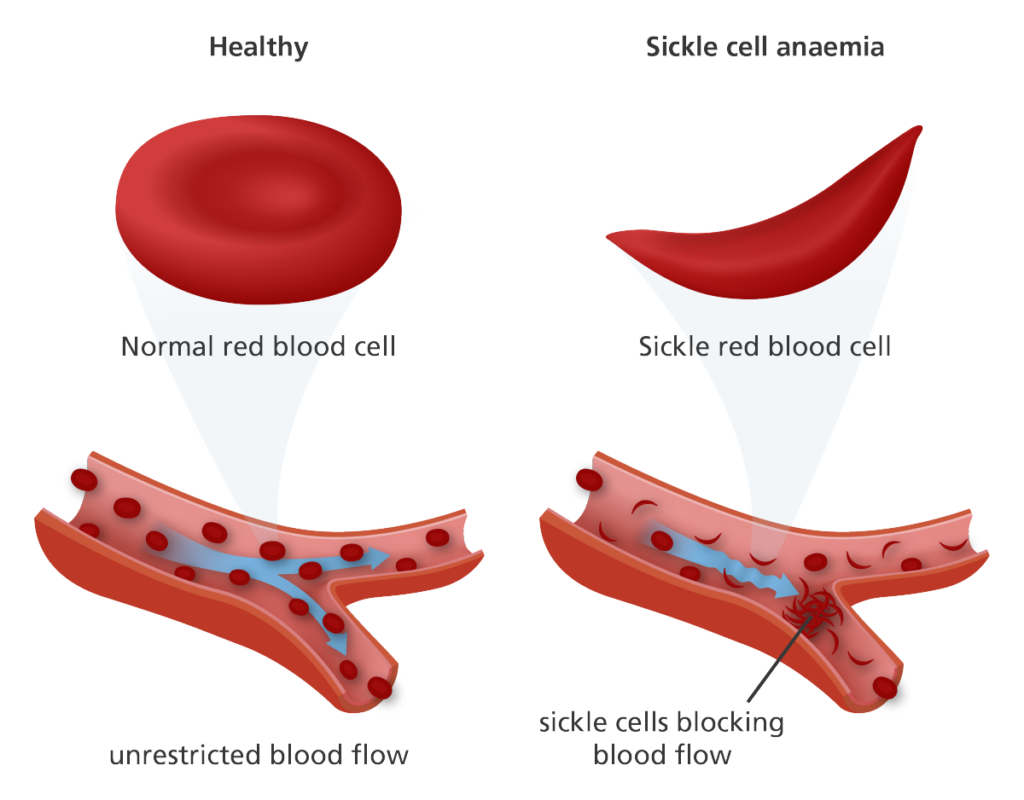
Sickle cell disease is a lifelong illness and until yesterday, its only cure was bone marrow transplantation. It involves replacing diseased stem cells in the bone marrow with healthy cells from an eligible donor, usually a relative. This procedure is complex and finding a suitable donor can be difficult.
The New Cure: What it entails
Casgevy works by making changes to one’s genetic makeup so that their stem cells will no longer produce sickled cells. Although, this sickle cell disease cure is a one-time treatment, it involves a number of steps. The patient has to go over these steps for some months before getting the modified stem cells. It begins with a series of blood transfusion and then extraction of the patient’s bone marrow. These are then edited in the laboratory.
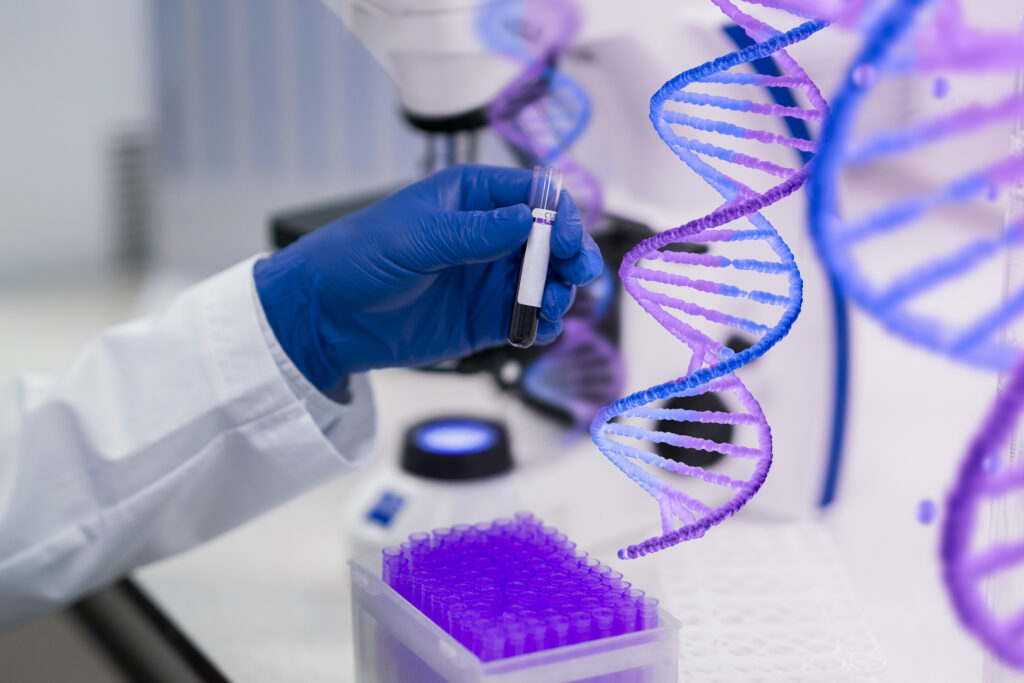
The next step involves clearing the “bad” stem cells remaining in the patient by chemotherapy. Afterward, doctors infuse the modified stem cells into the patient. The cells then grow, helping the patient recover over a few months.
Although Casgevy has been shown to be effective, its potential long-term effects and complications are still unknown. This is largely because it is still new. It is also very expensive, costing about $2.2 million, and only available in the United States at the moment.
Suggested Reading: See the “Do nots” in sickle cell disease!
A word from HealthFacts to you
The advent of genetic engineering technology promises a bright future for clinical medicine. However, a lot of these technologies are expensive and mostly limited to high-income countries. Hence, efforts in low- and middle-income countries such as Nigeria must be towards disease prevention and control.
For more health facts, kindly subscribe to our newsletter!










 has approved a powerful therapy for sickle cell disease which is a breakthrough for global health)